

What a Pre-Purchase Inspection Actually Is
A pre-purchase inspection (PPI) is an independent mechanical assessment of a used vehicle carried out by a qualified technician before the sale is finalized. The goal is straightforward: identify existing faults, wear, or damage that could affect safety, reliability, or future repair costs.
A PPI is distinct from a vehicle history report. History reports pull data from title records, insurance databases, and odometer disclosures — useful context, but entirely separate from what a hands-on inspection reveals. A car can have a clean history and still carry worn brake components, leaking seals, or frame damage. Both tools together give a more complete picture.
Inspections are typically arranged by the buyer, conducted at an independent shop (not the seller's preferred mechanic), and cost roughly $100–$200 depending on location and depth of inspection. That fee is generally worthwhile relative to the potential repair costs it can surface. If a seller refuses to allow an inspection, that refusal itself is meaningful information.
Core Areas a Thorough Inspection Covers
Inspection scope varies by technician and shop, but a thorough PPI should address at minimum the following systems:
Structural and Body Condition
The technician looks for signs of prior collision repair — uneven panel gaps, mismatched paint, weld marks, or replaced panels. Frame or unibody damage that wasn't properly repaired can compromise crash safety and handling. This is often done with a paint-depth gauge alongside a visual examination.
Engine and Drivetrain
The engine bay is checked for fluid leaks, corrosion, cracked hoses, worn belts, and signs of overheating. The technician will typically run the engine to listen for unusual noises and check for oil or coolant contamination. Transmission function — both automatic and manual — is assessed during a test drive.
Brakes and Suspension
Brake pad and rotor thickness is measured. Suspension components including control arms, ball joints, tie rods, and shock absorbers are inspected for wear, play, or damage. These systems directly affect vehicle safety and can be costly to repair if neglected. See also our overview of safe vehicle operation fundamentals.
Tyres
Tread depth is measured and tyre condition is assessed across all four corners. Uneven wear patterns can indicate alignment or suspension problems beyond the tyres themselves. For more on what tyre condition reveals, see tyre pressure and tread depth checks.
Electrical and HVAC Systems
Lights, windows, locks, the air conditioning system, and infotainment are tested. Many modern vehicles use an OBD-II scan to check for stored diagnostic trouble codes — including codes that may have been recently cleared ahead of a sale.
Undercarriage and Exhaust
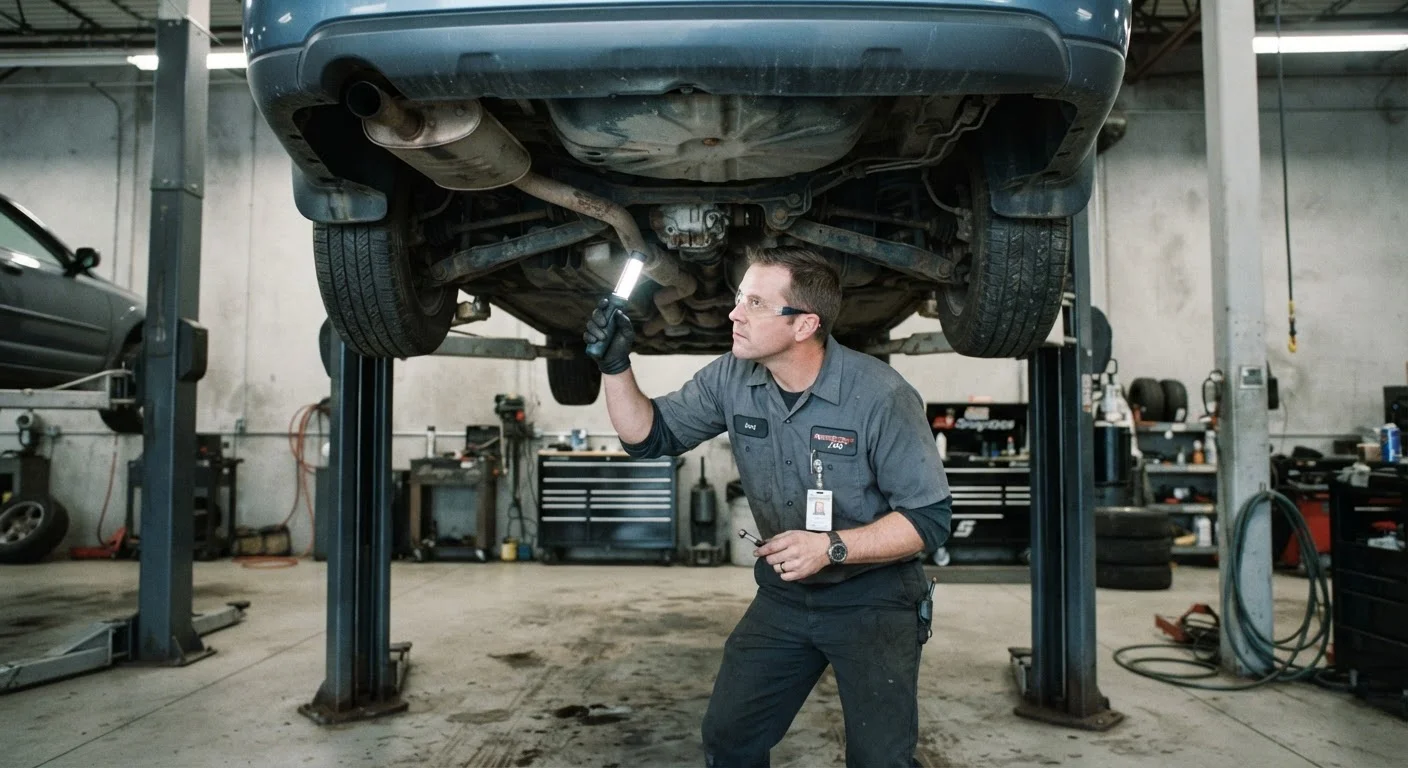
With the vehicle raised on a lift, the technician inspects for rust, fluid leaks, damaged exhaust components, and signs of impact damage. Undercarriage rust in particular can be difficult to detect during a standard walkthrough and expensive to address.
For a broader look at what buyers commonly miss, the article on overlooked factors when buying a used car covers several related blind spots.
How to Use the Inspection Results
A PPI report isn't a simple pass/fail verdict. Most used vehicles will have some wear — the question is whether identified issues are proportionate to the asking price and the vehicle's age and mileage.
When you receive the report, focus on three categories: safety-critical items (brakes, tyres, steering, structural), high-cost repairs (engine, transmission, major rust), and deferred maintenance that will need attention soon. Use this breakdown to decide whether to proceed at the listed price, negotiate based on repair estimates, or walk away.
If you're new to the car-buying process overall, what first-time car buyers should understand before signing provides helpful grounding on the broader transaction. And once you've agreed to a purchase, confirming everything before collecting the vehicle outlines the steps to complete before you drive it away.
This article provides general informational guidance about vehicle inspections and is not a substitute for advice from a qualified mechanic familiar with your specific vehicle and circumstances.