

Key Takeaways
- Over-touristed destinations are popular for legitimate reasons — iconic experiences are often genuinely worth seeing.
- Crowds, inflated prices, and commercialised surroundings are consistent realities, not exceptions.
- Timing, itinerary structure, and realistic expectations dramatically shape the experience.
- Visiting during shoulder season or arriving early can meaningfully reduce crowd impact.
- Local communities often bear the costs of overtourism, which is worth factoring into travel decisions.
Iconic sights are iconic for valid reasons
The Colosseum, the Eiffel Tower, and similar landmarks offer historically and aesthetically significant experiences that are genuinely difficult to replicate elsewhere. Their reputation, while amplified by tourism, is typically grounded in something real.
Well-developed tourism infrastructure eases logistics
Heavily visited destinations tend to have reliable public transit, abundant accommodation options, and extensive visitor services. This reduces the logistical burden for first-time international travelers significantly.
Extensive documentation and traveler knowledge available
Popular destinations have been written about, photographed, and reviewed exhaustively, making pre-trip research far more reliable. Travelers can plan with a high degree of confidence about what to expect.
Accessibility options are generally more developed
Major tourist sites typically invest more in accessibility infrastructure — ramps, elevators, accessible restrooms — than less-visited alternatives, benefiting travelers with mobility considerations.
Crowd density can undermine the intended experience
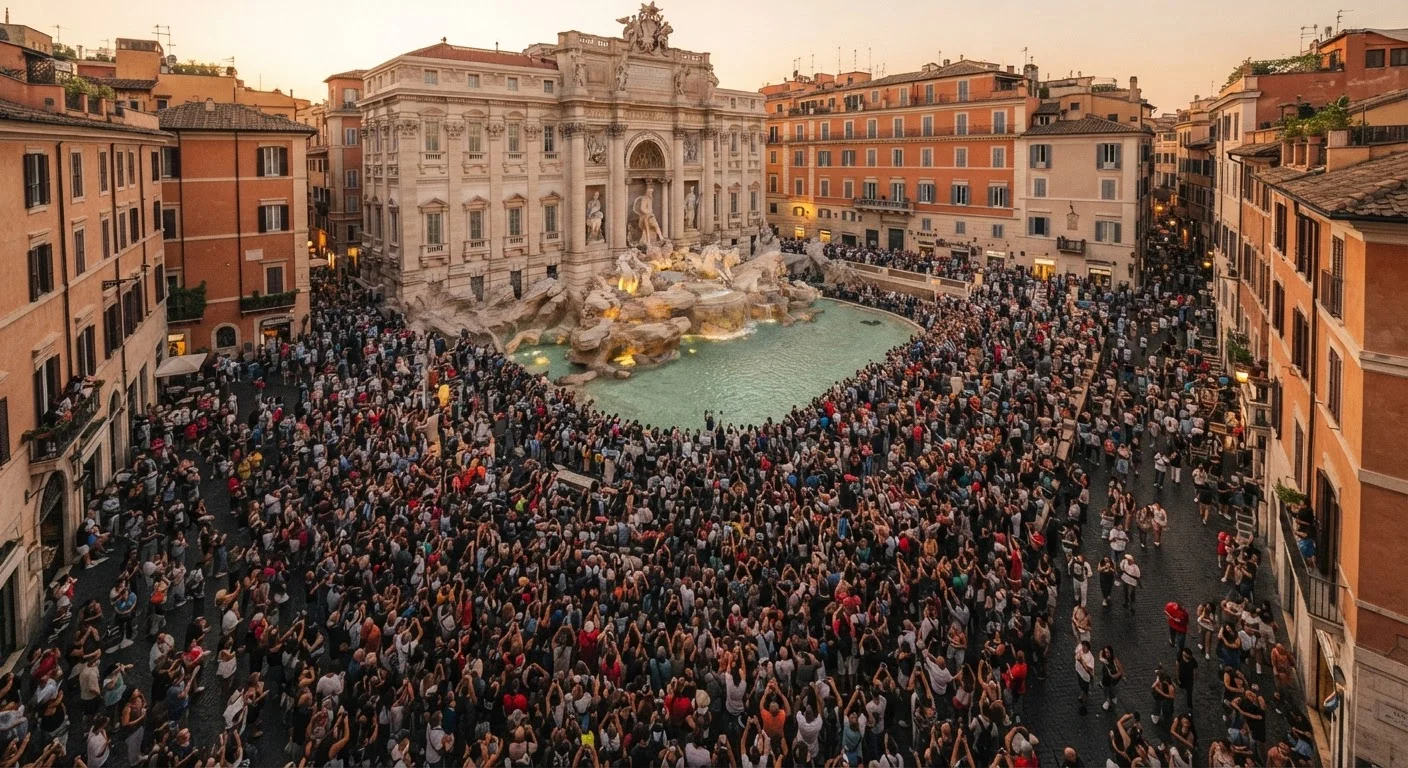
At peak times, famous viewpoints and interiors can be so congested that meaningful engagement with the site becomes difficult. The experience of standing in a crowd looking at something is qualitatively different from the experience implied by most photographs.
Pricing is consistently inflated in tourist-heavy areas
Restaurants, accommodation, and transportation within high-traffic tourist zones carry significant premiums. Travelers on tighter budgets may find that iconic destinations strain their plans in ways they didn't anticipate.
Commercialisation erodes authentic character
Areas surrounding major attractions often become dominated by souvenir shops, tourist-oriented restaurants, and generic hospitality brands. The local character that originally made a place worth visiting can be difficult to access.
Booking pressure adds significant planning complexity
Timed-entry tickets, advance reservations, and limited availability windows mean that spontaneous travel to major sites is increasingly impractical. Failure to book early frequently results in missing the primary attraction altogether.
Environmental and community impact is measurable
Overtourism contributes to physical degradation of sites, rising local rents, and displacement of long-term residents. Travelers who are aware of these dynamics may find the ethical dimension of visiting difficult to ignore.
Our Verdict
Heavily visited destinations earned their reputations for real reasons — the problem is rarely the place itself, but the conditions surrounding it. With honest expectations, deliberate timing, and a willingness to move beyond the main attraction, many over-touristed spots can still deliver meaningful travel experiences. That said, travelers who prefer unhurried immersion may find the trade-offs genuinely frustrating.
Best suited to travelers who've done the planning work upfront, can tolerate logistical friction, and care more about seeing an iconic place firsthand than avoiding crowds entirely.
Why Overtourism Is Worth Understanding Before You Book
The word "overtourism" has become a fixture in travel journalism, but it describes a genuinely complex set of conditions — not just inconvenient queues. Before committing to a heavily visited destination, travelers benefit from understanding what they're actually walking into, rather than relying on curated photos that depict an experience no longer available to most visitors.
Places like Venice, Santorini, Machu Picchu, and the Amalfi Coast attract millions of visitors annually precisely because they offer something rare: architecture, landscape, or culture that exists nowhere else on Earth. That's not hype — it's why the crowds form in the first place. The challenge is that the infrastructure, pricing, and character of these places often shifts significantly under that volume of visitors.
For a practical framework on structuring visits to complex destinations, building a workable travel itinerary can help balance iconic sights with breathing room. The goal isn't to avoid famous places categorically — it's to enter them with clear eyes.
The Genuine Advantages of Visiting Iconic, High-Traffic Destinations
There are substantive reasons people return to well-worn destinations despite knowing what to expect.
Iconic sights are iconic for valid reasons
The Colosseum, the Eiffel Tower, and similar landmarks offer historically and aesthetically significant experiences that are genuinely difficult to replicate elsewhere. Their reputation, while amplified by tourism, is typically grounded in something real.
Well-developed tourism infrastructure eases logistics
Heavily visited destinations tend to have reliable public transit, abundant accommodation options, and extensive visitor services. This reduces the logistical burden for first-time international travelers significantly.
Extensive documentation and traveler knowledge available
Popular destinations have been written about, photographed, and reviewed exhaustively, making pre-trip research far more reliable. Travelers can plan with a high degree of confidence about what to expect.
Accessibility options are generally more developed
Major tourist sites typically invest more in accessibility infrastructure — ramps, elevators, accessible restrooms — than less-visited alternatives, benefiting travelers with mobility considerations.
Infrastructure built around tourism also tends to mean reliable transit, multilingual signage, accessible accommodations across price ranges, and well-maintained sites. Travelers with limited mobility, unfamiliarity with a region, or tight schedules often benefit from this scaffolding in ways that are harder to find in less-visited places. Solo travelers and group tour participants alike generally find iconic destinations easier to navigate logistically.
The Real Drawbacks You Should Weigh Honestly
Promotional imagery of famous destinations rarely includes the queue to get in, the vendor stalls at the exit, or the six tour buses parked outside. These are consistent realities, not outliers.
Crowd density can undermine the intended experience
At peak times, famous viewpoints and interiors can be so congested that meaningful engagement with the site becomes difficult. The experience of standing in a crowd looking at something is qualitatively different from the experience implied by most photographs.
Pricing is consistently inflated in tourist-heavy areas
Restaurants, accommodation, and transportation within high-traffic tourist zones carry significant premiums. Travelers on tighter budgets may find that iconic destinations strain their plans in ways they didn't anticipate.
Commercialisation erodes authentic character
Areas surrounding major attractions often become dominated by souvenir shops, tourist-oriented restaurants, and generic hospitality brands. The local character that originally made a place worth visiting can be difficult to access.
Booking pressure adds significant planning complexity
Timed-entry tickets, advance reservations, and limited availability windows mean that spontaneous travel to major sites is increasingly impractical. Failure to book early frequently results in missing the primary attraction altogether.
Environmental and community impact is measurable
Overtourism contributes to physical degradation of sites, rising local rents, and displacement of long-term residents. Travelers who are aware of these dynamics may find the ethical dimension of visiting difficult to ignore.
It's also worth acknowledging the broader impact. Overtourism strains local housing markets, degrades natural environments, and can hollow out authentic local culture as businesses pivot exclusively toward visitors. This isn't a reason to avoid travel, but it is a legitimate factor for travelers who care about the communities they visit. Prioritizing free and community-rooted experiences can sometimes reduce this footprint while offering a more genuine encounter with a place.
A Note on Visitor Caps and Entry Restrictions
A growing number of heavily visited destinations have introduced or are actively considering visitor caps, entry fees, or timed-access systems — including Machu Picchu, Venice's day-tripper fee, and several natural parks. These policies change periodically, and availability windows can be extremely limited. Always verify current entry requirements and booking procedures directly through official site or government sources before finalizing plans, as conditions may differ significantly from what was reported when an article was written.
Practical Strategies for Managing the Realities
Travelers who visit over-touristed destinations and come away satisfied typically have a few things in common: they booked timed-entry tickets well in advance, they arrived before 9 a.m. or after 4 p.m., and they spent at least part of their visit in adjacent neighborhoods rather than the main attraction alone.
Shoulder season — typically late spring or early autumn for European destinations — often represents a genuine improvement over peak summer in both crowd density and cost, without sacrificing weather quality. Several persistent travel myths about off-season timing are worth examining before assuming any one period is reliably quieter.
Understanding destination-specific dynamics also matters. What catches visitors off guard in one place may be entirely predictable in another. Italy, for instance, has a set of specific quirks around seasonal closures and regional customs that reward pre-trip research.
1.4B
International tourist arrivals globally pre-pandemic
According to UNWTO data, international tourist arrivals reached approximately 1.4 billion in 2018, with a significant share concentrated in a small number of high-profile destinations.
~80%
Tourist activity concentrated at 10% of destinations
Travel researchers have consistently observed that a small fraction of global destinations absorb the vast majority of international visitor volume, intensifying pressure at iconic sites.