

Key Takeaways
- Food is one of the most variable travel costs and one of the most controllable with the right habits.
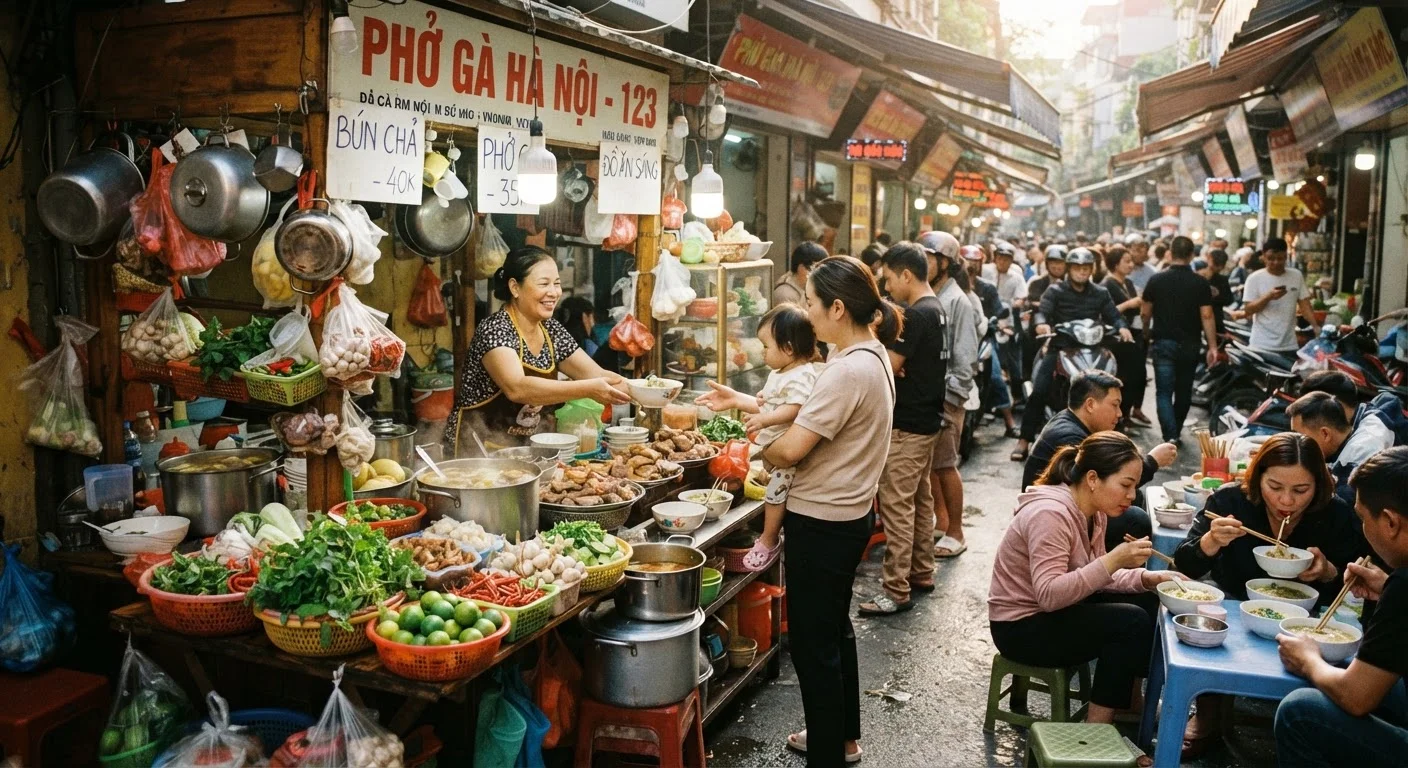
- Eating where locals eat — markets, lunch counters, neighborhood spots — consistently saves money without sacrificing quality.
- Shifting your main meal to midday takes advantage of prix-fixe lunch deals common in many destinations.
- Grocery shopping for breakfast and snacks dramatically reduces daily food spend across a multi-day trip.
- Asking hotel staff or guesthouse owners for neighborhood recommendations yields far better value than tourist-district dining.
Why Food Spending Goes Off the Rails
Travelers rarely blow their food budget intentionally. It happens through accumulated small decisions: grabbing a convenience-store sandwich at the airport, eating two meals in tourist-district restaurants, ordering drinks without checking prices. By the end of a week, food costs have often exceeded transport — the category most travelers monitor far more carefully.
The core problem is that hungry, tired, or disoriented travelers default to whatever is immediately visible. That usually means proximity to major sights, English menus, and prices calibrated for visitors. Understanding this pattern is the first step toward breaking it. For a broader look at where travel budgets typically slip, see how travel budgets unravel.
Practices That Actually Work
The following approaches are drawn from the way experienced independent travelers — and locals themselves — actually navigate daily eating costs. None require sacrificing food quality; most improve it.
Shift your largest meal to midday rather than evening.
Many destinations — particularly in Europe, Latin America, and parts of Asia — offer fixed-price lunch menus at restaurants that charge significantly more in the evening for the same kitchen. You access better food at lower prices simply by adjusting timing. Evening meals at the same quality level can cost 30–50% more in many markets.
Buy breakfast and snacks from grocery stores or markets, not cafés.
Café breakfasts near tourist areas carry the highest markups of any meal category. A week of bought-in breakfasts — yogurt, local bread, fruit, cheese — can save a meaningful amount without requiring any sacrifice in quality. Local supermarkets also provide a useful orientation to regional food culture.
Use local markets as your primary midday food source when not eating a restaurant lunch.
Food markets — whether covered halls or street stalls — offer prepared food at local prices with high turnover, which typically means fresh product. They also allow portion flexibility: you can eat a substantial meal for less than most sit-down alternatives.
Identify one 'splurge' meal per destination and budget around it deliberately.
Treating every meal as equally worth saving on leads to dissatisfaction; treating every meal as equally worth splurging on destroys budgets. Deciding in advance which one experience is worth paying full price for — a notable local restaurant, a specific regional dish — frees the rest of the day's eating to be cost-conscious without feeling like deprivation.
Walk two to four blocks away from major attractions before choosing a restaurant.
Restaurants immediately adjacent to tourist sites price for captive audiences with short dwell times. Even a short walk into a surrounding neighborhood — where locals work, live, or shop — typically reveals restaurants with lower prices and better quality, because their customer base is repeat rather than one-time.
Quick Actions to Lower Your Food Bill Today
Planning ahead doesn't have to be elaborate. A handful of small decisions before and during your trip can meaningfully reduce food spend while opening up better eating experiences. These are practical moves worth making before your next meal.
For travelers weighing how to allocate their overall trip budget, planning around a tight budget offers a useful framework for prioritizing where money matters most — including food versus experiences.
Finding the Right Places Without a Guide
The single most reliable method for finding affordable, quality food is straightforward: look for places where working locals eat on their lunch break. These spots operate on volume and repeat business, not tourist foot traffic. Prices reflect local wages, not visitor expectations.
Practical signals worth watching: handwritten menus or daily specials boards, packed tables between noon and 2 p.m., no laminated photo menus, no host standing outside flagging passersby. Markets — both food halls and outdoor stalls — are another consistent source of well-priced eating. They're also often where a destination's culinary identity is most concentrated. Free and low-cost experiences that define a place often include exactly these kinds of market visits.
Accommodation staff are underused as a resource. A guesthouse owner or front-desk staffer at a neighborhood hotel almost always knows where to eat affordably nearby — and tends to give more honest answers than review platforms curated for tourist tastes. Asking specifically for where they eat, rather than where to take visitors, gets better results.
If you're spending more days in one location — a strategy worth considering on its own terms — you gain the time to find these places by trial and error rather than research alone. Slow travel frequently produces significant food savings as a side effect of the approach.