

Key Takeaways
- Stress triggers a rapid hormonal cascade involving adrenaline and cortisol.
- The fight-or-flight response is an evolutionary survival mechanism, not a malfunction.
- Chronic activation of the stress response can have measurable effects on physical health.
- The parasympathetic nervous system acts as the body's natural 'off switch' for stress.
- Understanding the biology of stress can help frame it as manageable, not inevitable.
The Stress Response
The stress response is the body's automatic, built-in reaction to a perceived threat or demand. It triggers a chain of hormonal and neurological changes designed to prepare you to deal with a challenge. This reaction is normal, adaptive, and shared by virtually all mammals. Problems can arise when the response is activated too frequently or doesn't fully switch off.
Physiologically, the stress response is mediated primarily by the hypothalamic-pituitary-adrenal (HPA) axis and the sympathetic branch of the autonomic nervous system, together coordinating the release of catecholamines and glucocorticoids.
The Alarm System: How Stress Begins
When the brain perceives a threat — whether a car swerving toward you or a high-stakes deadline — a region called the amygdala fires an alert. This signal reaches the hypothalamus almost instantaneously, which acts like a command center, broadcasting an emergency message throughout the body via the nervous system and bloodstream.
Within seconds, the adrenal glands (located atop the kidneys) release adrenaline, also called epinephrine. This hormone causes your heart to beat faster, your breathing to quicken, and your muscles to tense — all signs that the body is mobilizing energy resources rapidly. Blood is redirected away from digestion and toward the large muscle groups. Your senses sharpen. This is the classic fight-or-flight response, refined by millions of years of evolution to handle immediate physical danger.
77%
Adults reporting physical stress symptoms
According to the American Psychological Association's Stress in America survey, a large majority of U.S. adults report experiencing physical symptoms they associate with stress.
~30 min
Time for cortisol to peak after a stressor
Research published in endocrinology literature indicates cortisol typically reaches peak blood levels roughly 20–30 minutes after the onset of a psychological stressor.
2–3×
Higher illness risk linked to chronic stress
Studies including work by Sheldon Cohen at Carnegie Mellon University have found that individuals under prolonged stress showed meaningfully higher susceptibility to common respiratory illnesses.
Cortisol's Slower, Sustained Role
While adrenaline handles the immediate surge, a second wave follows: the release of cortisol, your body's primary long-term stress hormone. Cortisol is produced by the adrenal cortex and regulated by the HPA axis — a feedback loop between the hypothalamus, pituitary gland, and adrenal glands.
Cortisol's job is to keep fuel available. It raises blood sugar levels, suppresses non-essential immune and digestive functions, and helps sustain alertness. Under normal circumstances, once the perceived threat passes, cortisol levels drop and the body returns to equilibrium. However, when stressors are persistent — financial pressure, relationship conflict, or work overload — cortisol can remain elevated for extended periods. Research consistently links chronically elevated cortisol to disrupted sleep, altered immune function, and changes in mood regulation, though individual responses vary considerably.
If you're exploring the relationship between financial strain and these biological effects, our article on debt and mental health offers additional context on how external stressors can perpetuate this cycle.
The Nervous System's Two Modes
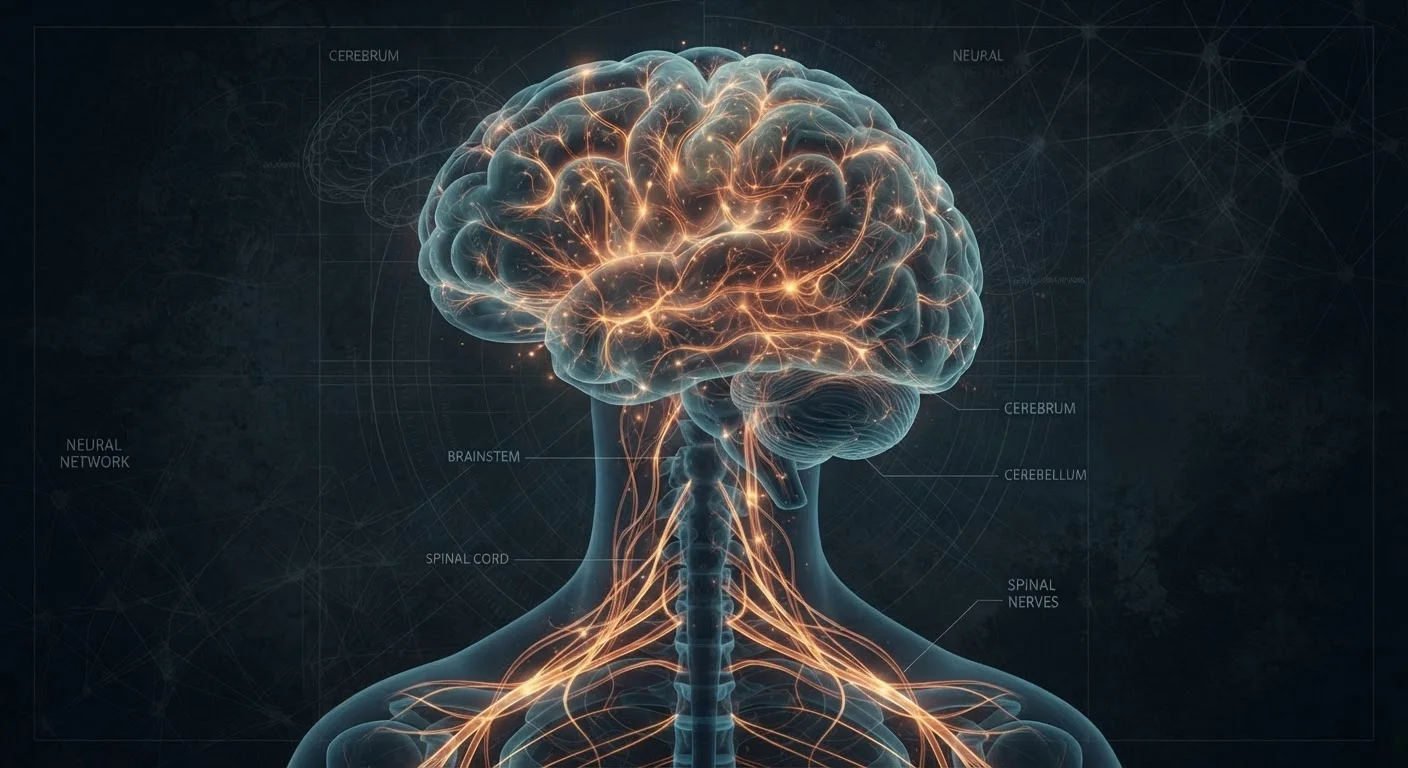
The autonomic nervous system — which governs involuntary functions like heartbeat and digestion — has two main branches that work in opposition. The sympathetic nervous system activates the fight-or-flight response. The parasympathetic nervous system is its counterpart, responsible for rest, digestion, and recovery, sometimes described as the 'rest and digest' state.
Healthy stress regulation involves a smooth transition between these two modes: activation when a challenge arises, and recovery once it passes. When chronic stress keeps the sympathetic system dominant, the parasympathetic response has less opportunity to restore balance. Over time, this sustained activation is believed to contribute to a range of physical symptoms, from tension headaches to digestive discomfort — though the exact mechanisms and individual variation remain active areas of research.
Individual Variation Matters
Not everyone experiences stress in the same way or at the same intensity. Factors including genetics, prior experiences, social support, and overall health can all influence how the stress response is activated and how quickly it resolves. Research in this area is ongoing, and what holds true at a population level may not precisely describe any one individual's experience.
Recognizing when everyday demands are tipping into something harder to manage is a meaningful first step. Our piece on warning signs of an unmanageable mental load outlines some signals worth paying attention to.
Why Stress Isn't Always the Enemy
It's easy to frame stress purely as harmful, but that view misses important nuance. Psychologists often distinguish between eustress — positive, motivating stress — and distress, which is overwhelming or chronic. A job interview, a competitive event, or a creative deadline can all trigger the stress response, yet many people report that moderate stress improves their focus and performance.
Research by health psychologist Kelly McGonigal and others has explored how perceiving stress as useful — rather than inherently threatening — may influence how the body processes it. While this is not a prescription to simply reframe your way out of serious stress, it suggests that the meaning we assign to our stress experience plays a role in its effects. Understanding the biology is one way to approach stress with more clarity and less fear. For a closer look at where stress ends and clinical anxiety begins, see our explainer on anxiety and chronic stress.
This article is for general informational purposes only and does not constitute medical advice. If stress is significantly affecting your health or daily life, please consult a qualified healthcare professional.