

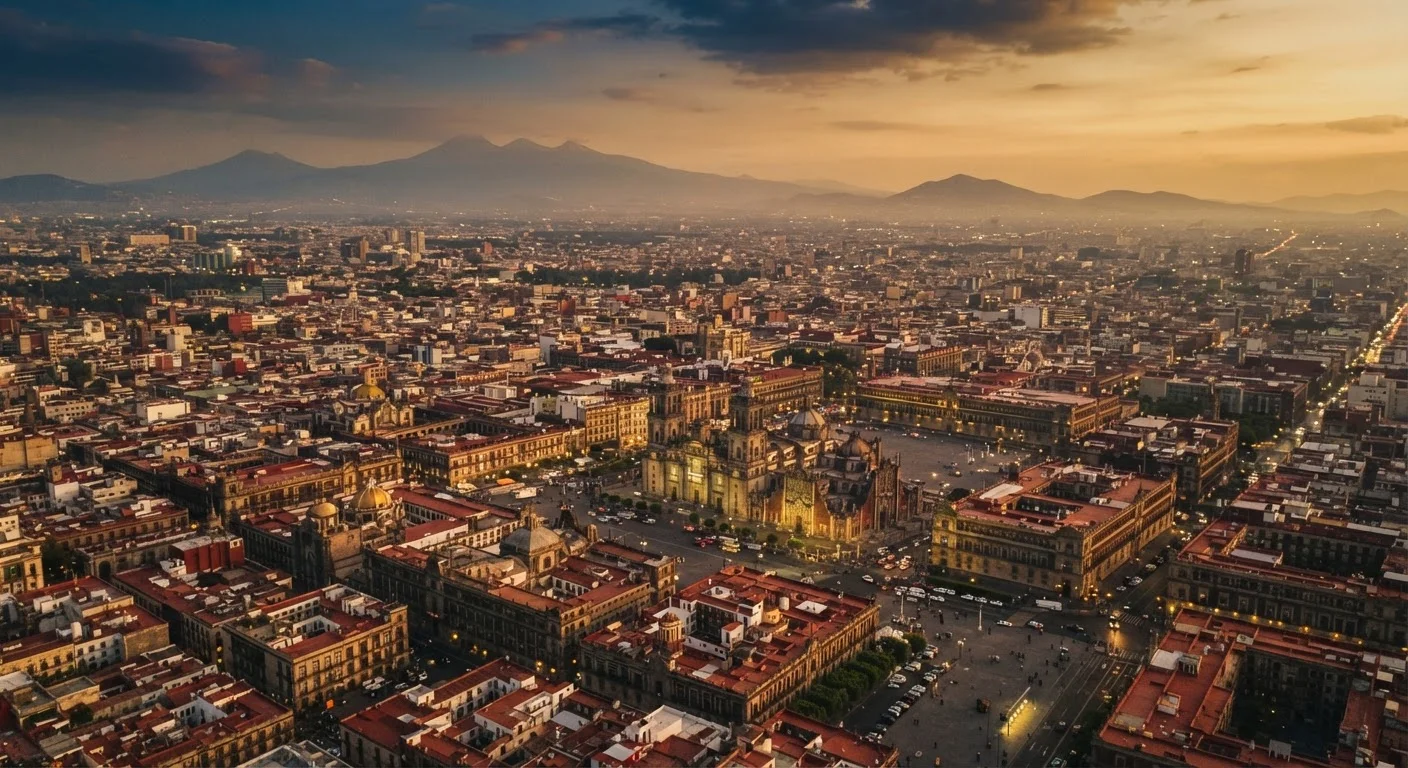
Key Takeaways
- Mexico City sits at 7,350 feet above sea level — altitude sickness is a real concern for new arrivals.
- The city's neighbourhoods vary dramatically in character, safety, and cost; choosing the right base matters.
- Mexico City's Metro is one of the world's largest and most affordable, but navigating it takes preparation.
- Tap water is not safe to drink; bottled or filtered water is standard practice for residents and visitors alike.
- Street food is a cornerstone of the culinary culture — knowing where and how to eat safely is half the experience.
- Air quality and traffic congestion are significant factors that affect how you plan daily movement around the city.
What First-Timers Often Underestimate
Mexico City — known locally as CDMX — is one of the largest and most culturally layered cities in the Western Hemisphere. It rewards preparation in ways that few other destinations do. Travellers who arrive with only a rough itinerary often spend their first two or three days recalibrating expectations rather than experiencing the city. The lessons below reflect what experienced visitors consistently say they wish they'd understood before landing.
For a broader framework on building a trip from the ground up, see our complete guide for new travellers.
The altitude hits harder than most people expect
At approximately 7,350 feet (2,240 metres) above sea level, Mexico City sits higher than Denver. Many visitors from coastal cities experience symptoms within hours of arrival: headaches, shortness of breath, fatigue, and disrupted sleep. The effects are real and can dampen the first one to two days of a trip significantly.
The practical response is straightforward: plan a lighter first day, stay well hydrated, limit alcohol initially, and avoid strenuous activity until your body adjusts. Some travellers find that symptoms resolve within 24–48 hours; others take longer. Those with heart or respiratory conditions should consult a physician before travelling to high-altitude destinations.
Many coastal-city travellers feel the altitude within hours — plan a lighter first day.
Neighbourhood choice shapes the entire trip
CDMX is not one city — it's dozens of distinct neighbourhoods (colonias), each with its own character, price point, and atmosphere. Staying in Roma Norte or Condesa puts you in walkable, café-dense areas popular with international visitors. Polanco skews upscale. Historic Centro offers maximum proximity to monuments and museums but a more intense urban environment. Coyoacán feels like a village within the city.
Choosing the wrong base for your interests can mean hours of transit daily. Research neighbourhoods relative to your actual priorities — museums, markets, nightlife, family logistics — before booking accommodation.
Choosing the wrong neighbourhood can cost you hours of transit time every single day.
The Metro is extraordinary but needs a strategy
Mexico City's Metro system covers the city extensively and operates at a cost that makes it one of the most accessible transit systems in the world. It's how millions of residents commute daily. However, peak-hour crowding is severe, certain lines serve areas less frequently visited by tourists, and pickpocketing on crowded trains is a documented concern.
Experienced visitors use the Metro for longer cross-city journeys during off-peak hours, and complement it with ride-hailing apps for shorter trips or late-night travel. The Metro also uses icons rather than only text for station identification — a practical detail worth knowing before you board.
Use the Metro for off-peak cross-city travel and ride-hailing for late nights or short hops.
Tap water is not potable — and this has real implications
Residents of Mexico City do not drink tap water, and neither should visitors. This isn't a minor footnote: it affects how you brush your teeth, whether you accept ice in drinks, and how you approach street food and market stalls. Large water dispensers (garrafones) are standard in homes and many hotels, and bottled water is widely available.
Traveller's diarrhoea is a genuine risk, and it can derail several days of a trip. Ice in established restaurants is generally made from purified water, but it's reasonable to ask. Eating at high-turnover street stalls where food is cooked fresh is generally considered lower risk than pre-prepared items left sitting out.
Tap water is not drinkable — this affects ice, produce washing, and street food choices.
Street food is central — but informed eating matters
The street food culture in CDMX is not a budget option or a novelty — it's the foundation of how the city eats. Tacos, tamales, tlayudas, quesadillas, and a dozen regional dishes are prepared at stands throughout the city, often to a quality that rivals sit-down restaurants. Missing it means missing the city.
The markers of a safer stall are consistent: high customer turnover, food cooked to order, visibly clean preparation, and fresh ingredients. Avoiding pre-cut fruit sitting in open air, or meat that's been sitting unrefrigerated, reduces risk meaningfully. Many long-term visitors develop a personal set of trusted spots over time.
High-turnover stalls with food cooked to order are the markers experienced visitors look for.
Air quality and traffic are genuine daily factors
Mexico City sits in a high-altitude valley, and atmospheric conditions — particularly in winter and spring — can trap pollutants. On poor air quality days, outdoor exercise and prolonged time outside may be inadvisable, particularly for those with respiratory sensitivities. The city publishes daily air quality indices that are worth monitoring during a visit.
Traffic congestion is equally real. Journey times that look short on a map can take 45 minutes to an hour during rush periods. Building transit time into any schedule — especially for airport departures — is not optional. The realities of visiting complex urban destinations often come down to exactly this kind of logistical friction.
A journey that looks short on a map can easily take an hour during peak traffic.
Safety is uneven and context-dependent
Mexico City has a global reputation that often doesn't match the lived reality of the areas most visitors spend time in. Neighbourhoods like Roma, Condesa, Polanco, and Coyoacán are well-trafficked and generally comfortable for tourists. Other areas carry higher risk, particularly after dark.
The practical approach is to treat CDMX the way you'd treat any major city: stay aware of surroundings, avoid displaying expensive items conspicuously, use reputable transport options at night, and consult current government travel advisories before departure. Check your government's official travel advisory portal for up-to-date guidance, as conditions can shift. Don't let generalised fear prevent the trip, but don't arrive uninformed either.
Tourist-heavy neighbourhoods feel safe and walkable; the key is knowing which areas those are.
Going In Better Prepared
None of these realities are reasons to avoid Mexico City — quite the opposite. The travellers who understand the city's rhythms, logistics, and quirks before they arrive are the ones who leave with a genuine experience rather than a frustrating one. CDMX has a density of museums, markets, cuisine, architecture, and neighbourhood life that few cities anywhere can match.
Give Yourself an Acclimatisation Day
If your schedule allows, build a low-key first day into your itinerary — a slow walk around a single neighbourhood, a meal at a sit-down restaurant, early to bed. Travellers who push hard on day one often pay for it on day two. Acclimatisation to both the altitude and the city's pace pays dividends across the rest of the trip.
Budget planning is worth taking seriously here. Between airport transfers, neighbourhood costs, and the temptation of world-class restaurants, expenses can diverge significantly from expectations. Our article on hidden travel costs covers the category of expenses that quietly drain travel funds — many of which apply directly to CDMX trips.
If you're also weighing how another major destination compares in terms of traveller misconceptions, our piece on visiting Italy offers a useful parallel read.