

Key Takeaways
- Most households pay for at least one subscription they no longer actively use.
- A single bank statement review can surface forgotten recurring charges within minutes.
- Canceling unused subscriptions is one of the fastest, zero-risk ways to reclaim monthly cash flow.
- Setting a calendar reminder to audit subscriptions quarterly prevents future subscription creep.
- Consolidating payment methods to one card makes future audits significantly faster.
What you will need
Why Subscription Costs Sneak Up on You
Subscription pricing is engineered for frictionless renewal. Charges are small enough to slip past your mental accounting — $4.99 here, $12.99 there — and they arrive on a predictable schedule that eventually blends into the noise of a bank statement. Unlike a one-time purchase, a subscription never asks for your attention again after the first sign-up.
The result is what personal finance practitioners sometimes call subscription creep: a slow accumulation of recurring charges, each individually justifiable, that collectively represent a meaningful monthly outflow. Streaming services, cloud storage plans, fitness apps, news paywalls, software tools, and retail membership programs all follow this model. Many people signed up during a specific season of life — a new job, a move, a health goal — and simply never revisited the decision.
The good news is that unlike most budget categories, subscriptions offer near-complete control. You can cut them without changing your lifestyle in any significant way, and the financial effect is immediate. This audit process is designed to take under an hour and requires no special tools.
For a broader look at where recurring costs hide — including ones beyond digital subscriptions — see our end-of-month financial audit guide.
How to Audit Your Subscriptions
Follow these steps in order. The process works best when you block out uninterrupted time and have access to your bank and credit card statements.
Pull three months of bank and credit card statements
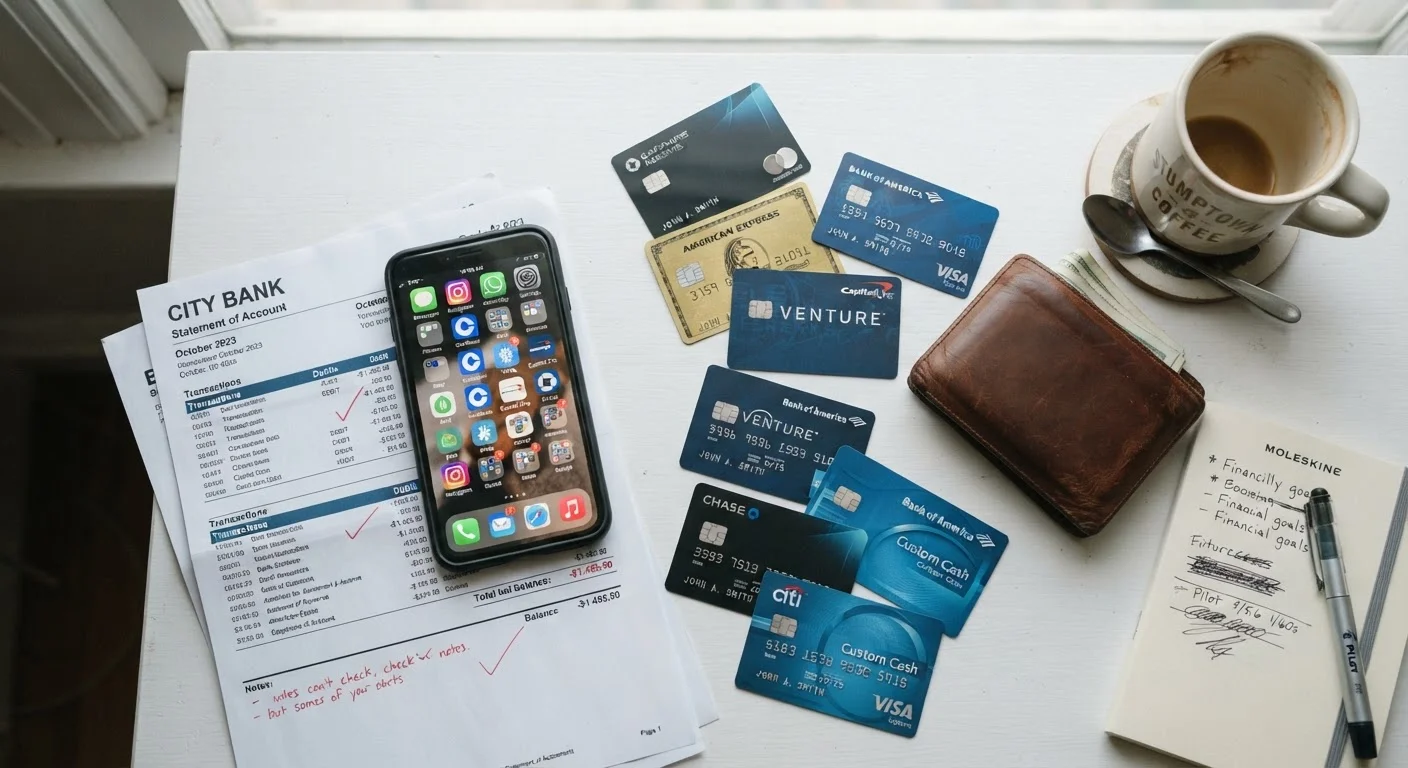
Gather statements — digital or printed — from every account you use for purchases. Three months of history is enough to catch both monthly and quarterly billing cycles. If you use multiple cards, pull all of them; subscriptions often spread across accounts over time as cards change.
Flag every recurring charge
Go through each statement and highlight any charge that repeats — same vendor, same amount, consistent interval. Create a simple list: write down the service name, the monthly or annual cost, and the date it last charged. Don't evaluate anything yet; the goal of this step is a complete inventory, not decisions.
Categorize each subscription by actual use
Review your list and assign each item one of three labels:
- Active and valued — you use it regularly and it's worth the cost
- Rarely used — you use it occasionally but question whether it earns its price
- Forgotten or unused — you had to think hard about what it even is, or you haven't used it in months
Be honest. "I might use it someday" is not the same as active use.
Cancel unused and low-value subscriptions immediately
Start with the "forgotten or unused" category — these are zero-regret cancellations. Log in to each service directly and locate the cancellation option, typically under account settings or billing. Do not contact support first; most cancellations are self-serve. If the process is buried or confusing, search "[service name] cancel subscription" for direct instructions.
Then evaluate the "rarely used" category. If you cannot articulate a specific, near-term use case for a service, cancel it. You can usually re-subscribe later if your circumstances change.
Verify cancellations and set a quarterly reminder
After canceling, check your email for a confirmation. If none arrives within 24 hours, log back in and verify the account status shows as canceled or non-renewing. Some services keep your access until the current paid period ends — that's normal — but confirm that no future charge is scheduled.
Finally, set a recurring calendar reminder every three months to repeat this audit. Subscriptions accumulate again over time; a quarterly check keeps the total manageable.
Free Trials Convert Automatically
Most free trials require a credit card upfront and convert to paid subscriptions without a reminder email. If you sign up for a trial and don't intend to continue, set a cancellation reminder for at least two days before the trial ends. Some services make cancellation intentionally difficult — locate the cancellation page before you need it.
Once you've completed the audit, build the habit of repeating it quarterly. Pair it with your regular budget check-in using a structured approach like the one in our monthly budget review checklist. Subscription audits are also a natural fit alongside small daily financial habits that compound meaningfully over time.
One Card Makes Future Audits Faster
Routing all recurring subscriptions through a single dedicated credit or debit card creates a clean, searchable record. When you run your next audit, you only need to scan one statement instead of three or four. This habit also makes it immediately obvious when an unexpected charge appears.