

Key Takeaways
- Irregular sleep and wake times — even on weekends — disrupt your body's internal clock more than most people realize.
- Screen exposure within an hour of bed suppresses melatonin, making it harder to fall and stay asleep.
- Caffeine has a half-life of around five to six hours, meaning an afternoon coffee can still be active at midnight.
- Lying in bed while awake trains the brain to associate your bed with wakefulness rather than rest.
- Alcohol may help you fall asleep faster but measurably reduces restorative REM sleep later in the night.
Why Good Intentions Aren't Enough
Many adults do the obvious things right — they aim for seven or eight hours, they go to bed at a reasonable time — and still wake up feeling unrested. The culprit is usually not the big, visible habits but the small, low-profile ones that quietly erode sleep architecture night after night.
Sleep quality depends on more than total time in bed. Deep slow-wave sleep and REM sleep occur in cycles that are sensitive to light, temperature, timing, and even what you did six hours earlier. Understanding the specific behaviours that interfere with those cycles is the most actionable place to start. This article is general health information and is not a substitute for advice from a qualified healthcare professional.
For context on how disrupted rest ripples into mood and mental performance, see The Role of Sleep in Emotional Regulation.
The Habits Working Against You
The following mistakes are common, research-supported, and — critically — fixable without a major lifestyle overhaul.
Inconsistent sleep and wake times across weekdays and weekends — so-called 'social jet lag'.
Why it happens: Weekends feel like a natural reset, so sleeping in or staying up late seems harmless. But the body's circadian rhythm is anchored by consistent timing, not catch-up totals.
Using screens — phones, tablets, laptops, or televisions — within an hour of bedtime.
Why it happens: Screens are convenient wind-down tools and the blue-light concern is widely discussed but easily dismissed as overstated. The stimulation effect from content (news, social media, video) is equally disruptive and less talked about.
Consuming caffeine in the afternoon or early evening without accounting for its half-life.
Why it happens: Most people track how caffeine makes them feel, not when it clears the bloodstream. Caffeine's half-life is roughly five to six hours, meaning a 3 p.m. coffee still has significant activity at 9 p.m.
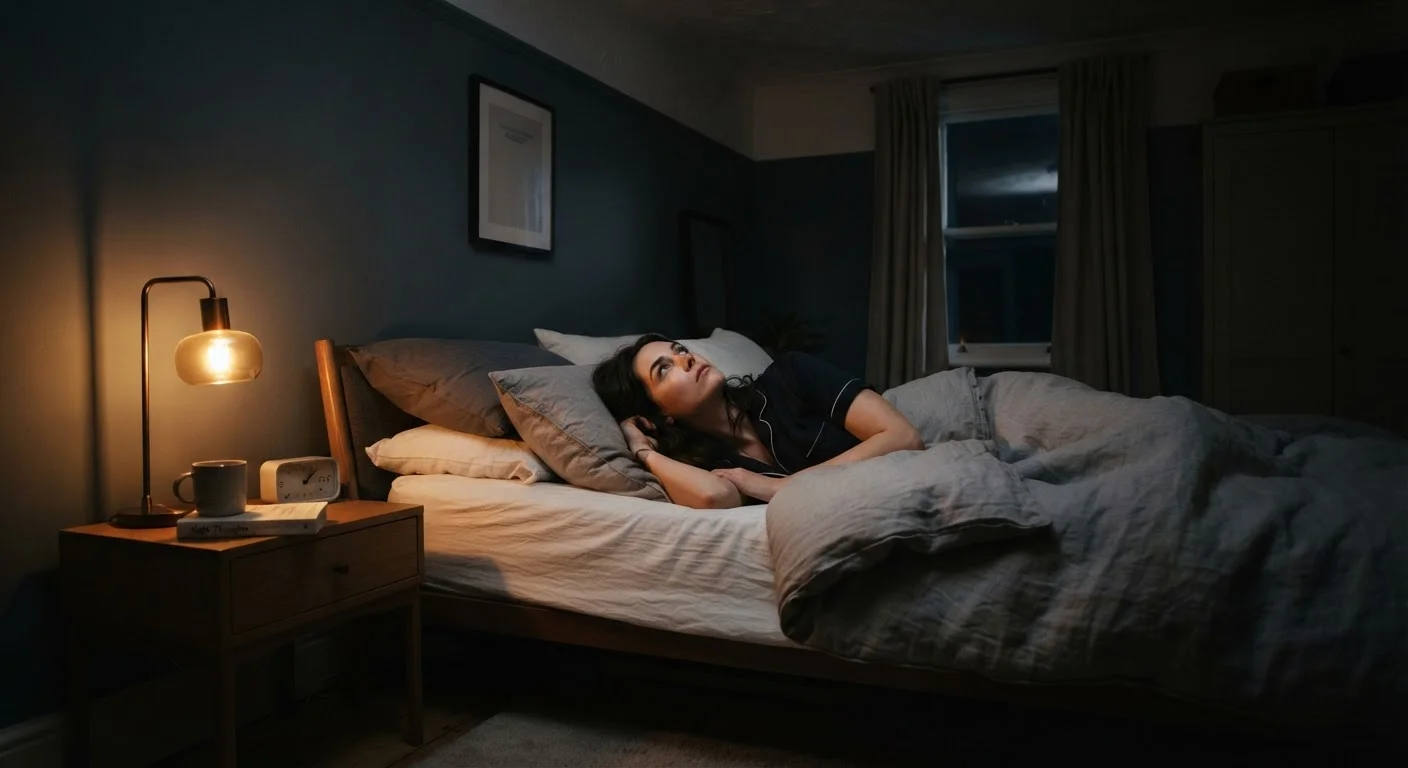
Staying in bed while awake, hoping sleep will eventually return.
Why it happens: Leaving a warm bed feels counterproductive, and the instinct is to wait it out. But extended wakefulness in bed gradually conditions the brain to associate the sleeping environment with alertness.
Using alcohol as a sleep aid or to 'take the edge off' before bed.
Why it happens: Alcohol reliably reduces the time it takes to fall asleep, which reinforces its use as a wind-down tool. The disruption it causes later in the sleep cycle — suppressing REM sleep and fragmenting the second half of the night — isn't felt as directly.
Keeping the bedroom too warm or too bright for the body's natural sleep-onset process.
Why it happens: Room temperature is easy to overlook because discomfort is gradual, not sudden. Many adults also underestimate how much ambient light — from streetlights, standby LEDs, or even a crack under the door — affects the dark cues that trigger melatonin release.
Beyond sleep itself, daytime movement patterns also affect how well the body is primed for rest. If you spend most of your day sedentary, this guide to desk-bound health habits covers practical ways to counteract that without restructuring your schedule.
Putting It Into Practice
~5–6 hrs
Caffeine half-life in the body
Research indicates caffeine's half-life averages five to six hours in most adults, though individual metabolism varies significantly based on genetics and other factors.
1 in 3
US adults reporting insufficient sleep
The Centers for Disease Control and Prevention (CDC) has reported that roughly one in three American adults regularly get less than the recommended amount of sleep.
Changing sleep habits works best when you treat consistency as the primary lever. Pick one habit from the list above — ideally the one you recognise most in your own routine — and focus on it for two weeks before adding another change. Sleep research consistently shows that behavioural interventions compound when applied steadily rather than all at once.
If you're working on the rest side of your day-to-day health, it's also worth examining what happens in the morning. A resilient wake-up routine can reinforce the sleep timing discipline that makes everything else easier. Building a Morning Routine That Holds Up on Difficult Days covers the behavioural principles behind routines that actually stick.
Finally, it's worth noting that sleep habits rarely exist in isolation — thought patterns and cognitive habits also influence rest. Eight Patterns of Thinking That Can Quietly Undermine Your Mood is a useful companion read if racing thoughts are part of what's keeping you awake.
This article provides general health information for educational purposes only and is not medical advice. If you have persistent sleep difficulties or concerns about your health, please consult a qualified healthcare professional.